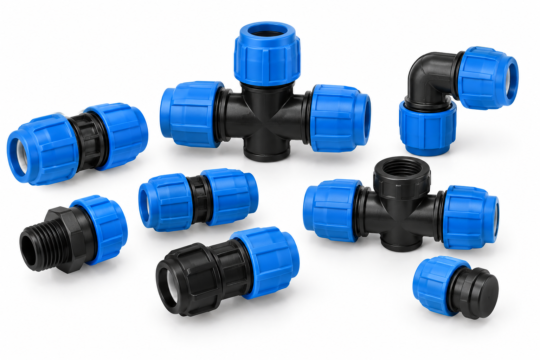
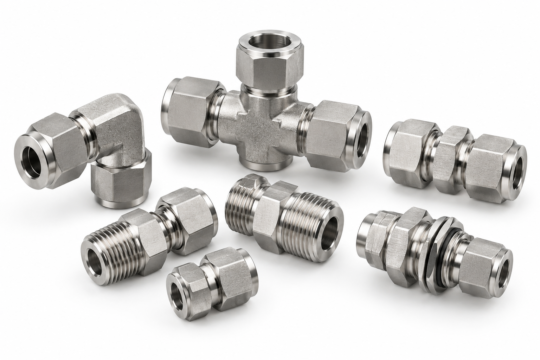
Saddle valves are commonly used in plumbing applications where a small water supply connection is needed without installing a completely new plumbing line. They are often associated with ice makers, refrigerators, and other appliances that require a water connection. Choosing the right saddle valve depends on the pipe material, pipe size, connection requirements, and intended application.
For businesses, plumbers, and equipment manufacturers, understanding how saddle valves work can help simplify product selection and avoid compatibility issues.
What Is a Saddle Valve?
A saddle valve is a type of valve designed to attach to an existing pipe and control water flow through a smaller outlet. Traditional self-piercing saddle valves use a piercing mechanism to create an opening in a compatible pipe, while other designs connect to an existing opening.
Saddle valves are often discussed in connection with refrigerator ice makers, humidifiers, and similar water-fed appliances. However, their suitability depends on local plumbing codes, the pipe material, and the manufacturer’s installation instructions.
Common Uses of Saddle Valves for Plumbing
Saddle valves for plumbing are used in applications where a smaller water supply connection is required. Common examples include:
- Ice maker connections: Supplying water to refrigerators with built-in ice makers.
- Appliance water lines: Connecting compatible appliances that require a small water supply.
- Specialized plumbing applications: Providing controlled water connections where the valve design and installation method are appropriate.
Before choosing a valve, always confirm that it is suitable for the intended application. Some self-piercing saddle valves are restricted or not permitted by plumbing codes in certain locations.
Saddle Valve for Ice Maker: What Should You Know?
A saddle valve for an ice maker is designed to provide a water connection for a refrigerator’s ice-making system. It is important to check the refrigerator manufacturer’s recommendations before selecting a valve.
When comparing options, consider the following:
- Pipe compatibility: Confirm the pipe material and size supported by the valve.
- Water connection: Check the outlet size and required tubing connection.
- Installation requirements: Follow the valve manufacturer’s instructions and applicable plumbing codes.
- Long-term reliability: Consider accessibility for inspection and maintenance.
In many installations, an approved tee fitting with a dedicated shutoff valve is a more suitable alternative to a self-piercing saddle valve.
What Is a Saddle Valve Compression Cap?
A saddle valve compression cap is a term used when discussing caps or compression-style components associated with saddle valve connections. The exact part required depends on the valve design and connection type.
A cap may be used to close a compatible connection, but it should not be assumed to repair a leaking or improperly installed saddle valve. Always verify the thread type, dimensions, and manufacturer’s specifications before purchasing a replacement component.
If a saddle valve is leaking, shutting off the water supply and replacing or upgrading the connection with an approved fitting may be necessary.
Saddle Valves for Pipe: How to Choose the Right Type
When selecting saddle valves for pipe connections, compatibility should be the first consideration. Not every valve works with every pipe material.
Consider these factors before making a selection:
- Pipe material: Identify whether the pipe is copper, plastic, or another material.
- Pipe diameter: Check the exact outside diameter and the valve’s supported size range.
- Connection type: Determine whether the application requires a compression, threaded, or another approved connection.
- Operating conditions: Review the manufacturer’s pressure and temperature ratings.
- Installation requirements: Confirm that the valve is permitted for the intended use and complies with local plumbing regulations.
These checks can help reduce installation problems and improve the reliability of the plumbing connection.
Can You Use a Saddle Valve for PVC Pipe?
A saddle valve for PVC pipe must be specifically designed and approved for the particular pipe material and application. A valve intended for copper pipe should not automatically be used on PVC or other plastic piping.
PVC pipes can be damaged by unsuitable piercing mechanisms, excessive clamping force, or incompatible fittings. Before installation, check the valve manufacturer’s instructions and the relevant plumbing code.
For many plastic-pipe installations, a compatible tee fitting and dedicated shutoff valve may provide a more appropriate solution. The correct choice depends on the pipe type, application, and local requirements.
Saddle Valves Supplier: What Should Buyers Look For?
Finding a reliable saddle valves supplier involves more than comparing product prices. Buyers should check product specifications, material compatibility, connection dimensions, availability, and suitability for the intended application.
For contractors, distributors, and manufacturers, clear product information helps simplify purchasing decisions and reduce the risk of ordering incompatible components.
Portage Specialty, located in Portage, Michigan, supplies plumbing-related fittings and components, including products for specialized connection applications. If you are looking for saddle valves, related compression components, or other plumbing fittings, contact the company to discuss your requirements and confirm product availability.
Find Plumbing Fittings at Portage Specialty
Choosing the right plumbing component starts with understanding your pipe material, connection requirements, and intended use. Whether you are researching saddle valves for plumbing, a saddle valve for an ice maker, or a compatible compression cap, checking specifications before purchasing can help prevent avoidable installation issues.
Portage Specialty serves customers from Portage, Michigan, and can help with product inquiries about plumbing fittings and related components.
Contact Portage Specialty
- Location: Portage, Michigan
- Email: portagespecialty@att.net
- Phone: 269-323-2429
- Toll-Free: (800) 323-3864
Contact Portage Specialty to ask about product availability, specifications, and suitable plumbing fitting options.